
 EN
EN


Breathable House Wraps: Key to Moisture Control
You're building or renovating your ideal home. You've selected the perfect windows, chosen your siding, and picked the best insulation. Yet, before the walls are finished, a hidden threat lies in wait: moisture. Without a proper management strategy, it can lead to serious problems like mold, wood rot, structural damage, and compromised indoor air quality. This is precisely where a high-performance breathable house wrap proves indispensable. Acting as the building's protective skin, it is critical for ensuring long-term durability, energy efficiency, and a healthy living environment. For over a decade, specialists in advanced protective membranes have perfected this technology, evolving it from simple sheeting into a sophisticated, science-driven barrier system.
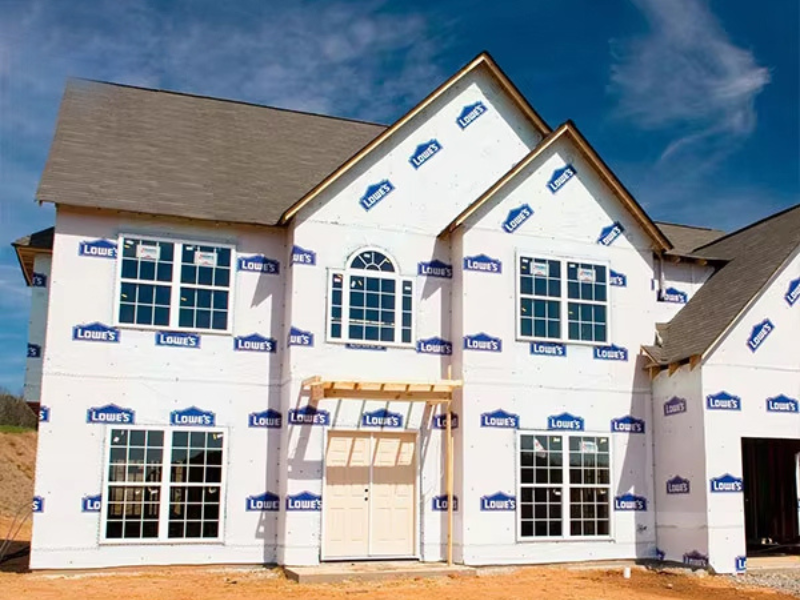
Understanding the Core Function of House Wraps
Installed between a building's structural sheathing and its exterior cladding, a house wrap performs two vital, opposing functions. It must manage two forms of water: liquid and vapor.
The Primary Role: A Barrier Against Bulk Water
The most immediate job is to act as a Weather-Resistant Barrier (WRB) against liquid water. During wind-driven rain, water can be forced behind siding or through minor cracks. A robust house wrap prevents this water from reaching the vulnerable wood sheathing, instead channeling it away to protect the structure from decay. This defensive function alone makes it essential in any climate.
The Crucial Secondary Role: Allowing Vapor to Escape
This is where the "breathable" property becomes non-negotiable. Buildings naturally generate water vapor from daily activities like cooking, showering, and even breathing. In colder climates, this warm, moist indoor air can migrate outward through the walls. If it encounters a cold surface and condenses inside the wall cavity, it creates an ideal environment for mold. A truly effective breathable house wrap has a high Moisture Vapor Transmission Rate (MVTR), permitting this water vapor to escape from the wall assembly. This prevents destructive condensation, distinguishing modern wraps from old, non-permeable materials like asphalt felt or plastic sheets, which trap moisture.
What Defines a High-Performance House Wrap
Not all wraps are created equal. Superior performance stems from advanced materials and consistent, precision manufacturing.
Innovative Materials and Durability
The best wraps are engineered from high-density polyethylene (HDPE) or reinforced polyolefin fabrics. These materials are inherently strong, resistant to tearing during installation, and UV-stabilized to withstand sunlight exposure during the construction phase. Their micro-perforated woven or non-woven structure creates the essential balance of water resistance and air permeability. Manufacturers with proven global experience develop products that perform reliably everywhere, from the freezing winters of Canada to the scorching, dry summers of Australia.
Enhanced Water Protection and Drainage
Beyond basic water resistance, premium wraps feature an engineered surface. This often includes textured or embossed patterns that create a capillary break and a dedicated drainage plane. When water does get behind the siding, these channels help it flow downward and away from the sheathing, promoting a "drainage and drying" capability that is central to modern building science.
Certifications and Verified Performance
For builders, contractors, and distributors, trust must be backed by verifiable data. Key indicators of quality include:
-
Water Resistance Ratings: Measured by tests like ANSI/ASTM D779, which assesses a material's ability to withstand water pressure.
-
Air Permeability Ratings: Standards like ASTM E2178 confirm the wrap allows for adequate drying.
-
Fire Resistance Ratings: Some wraps are specifically designed and tested to meet strict flame spread codes.
-
Material and Manufacturing Compliance: Sourcing from a manufacturer that uses REACH-compliant materials and operates a BSCI-certified factory ensures adherence to environmental and ethical production standards. Independent third-party durability testing provides further assurance.
Why Breathability is Essential in Modern Construction
The drive for tighter, more energy-efficient buildings makes expert moisture management more critical than ever. While airtight homes retain heat better, they also trap moisture more effectively.
Preventing Mold and Protecting Health
The most direct risk of poor moisture control is mold growth. It can develop inside wall cavities long before becoming visible, degrading indoor air quality and posing health risks. By allowing walls to dry out, a breathable wrap is a primary defense, inhibiting the conditions mold needs to thrive.
Preserving Structural Integrity
Persistent moisture is the enemy of building materials, leading to wood rot, metal corrosion, and the deterioration of fasteners and structural components. By managing moisture effectively, a house wrap directly safeguards the building's longevity, protecting the homeowner's investment and the builder's reputation.
Maintaining Energy Efficiency
Wet insulation loses its thermal resistance (R-value), becoming drastically less effective. A building with dry walls and dry insulation performs as designed, maintaining consistent indoor comfort and reducing heating and cooling costs. The house wrap plays a fundamental role in preserving this efficiency over the building's lifespan.
Selecting and Sourcing the Right Solution
Choosing the correct house wrap is a technical decision with long-term consequences. Partnering with a knowledgeable manufacturer is as crucial as selecting the product itself.
Matching Specifications to Your Climate
The ideal wrap varies by environment. Builders in hot, humid climates may prioritize maximum breathability and UV resistance, while those in cold, wet regions might focus on superior water holdout and drainage. A manufacturer with extensive experience in diverse global markets can provide the expertise to match the product to a project's specific environmental challenges.
Customization for Supply Chain and Branding Needs
For large builders and distributors, logistical efficiency is key. Forward-thinking manufacturers offer valuable customization, such as custom roll lengths and widths to minimize jobsite waste, private-label packaging for brand recognition, and tailored product bundling for specific market segments.
The Value of a True Manufacturing Partner
The promise of a house wrap hinges on its consistent quality. A reliable manufacturing partner operates with:
-
Scale and Expertise: A sizable, professionally managed factory ensures stable production capacity and process control, guaranteeing reliable supply.
-
Rigorous Quality Control: A strict in-house QC system that inspects every stage—from raw polymer resin to the final rolled product—ensures every square foot performs as promised.
-
A Collaborative Approach: The best suppliers act as partners. They invest in understanding your market's needs, provide dedicated technical support, and ensure their product integrates seamlessly into your building systems or supply chain.
Conclusion: An Investment in Long-Term Performance
Within the overall budget of a construction project, a house wrap represents a modest material cost. Yet, its role is disproportionately large. It is the cornerstone of a moisture management strategy that dictates a building's durability, efficiency, and safety. By specifying a high-performance, scientifically engineered breathable house wrap from a certified and experienced manufacturer, builders and distributors do more than purchase a material. They invest in a promise—a promise of protection that safeguards the structure, its occupants, and the integrity of the build for decades to come. In the mission to build better, it is a detail that demands careful attention.