
 EN
EN

PVC Canopy vs. Fabric: Which Suits Your Needs?
When preparing for an outdoor event, setting up a market stall, or simply creating shade in your yard, choosing an effective protective canopy is key. The central question often boils down to this: PVC or fabric? This isn't just a casual choice about color or size; it's a decision that directly impacts performance, durability, and long-term value.
For businesses and professionals who depend on reliable shelter solutions—such as distributors, builders, event coordinators, and agricultural suppliers—this choice carries significant weight. Selecting the right material is foundational to protecting your assets, ensuring client comfort, and securing your peace of mind. Let's explore the distinct strengths and ideal applications of each option to guide your decision.
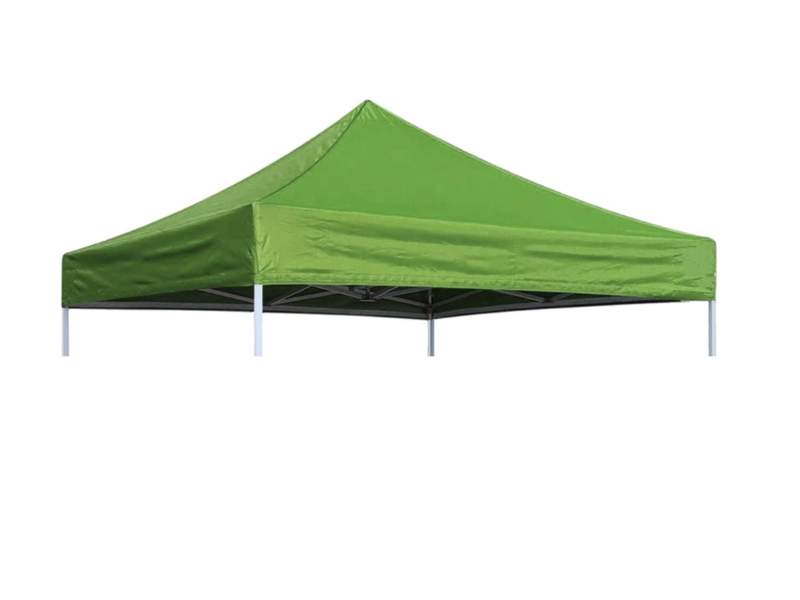
The Heavy-Duty Champion: Understanding the PVC Canopy
A PVC canopy features a shelter top made from polyvinyl chloride, typically reinforced with a polyester or fiberglass mesh for added strength. This is far from a basic tarp; it is an engineered material built specifically to withstand harsh environmental challenges.
Unmatched Durability and Weather Resistance
The standout advantage of a PVC canopy is its exceptional toughness. A high-quality PVC top is completely waterproof, not merely water-resistant. It will not leak or soak through during a heavy downpour, making it ideal for all-weather use. The material is highly resistant to mold, rot, tearing, and prolonged UV exposure. Its performance remains consistent in diverse climates, from the freezing winters of Canada to the intense, dry heat of the Australian outback. This resilience translates to a much longer lifespan than typical fabric canopies, meaning fewer replacements and greater long-term savings.
Superior Protection and Security
A pvc canopy offers near-total environmental protection. It blocks virtually 100% of rain and provides excellent wind resistance when properly tensioned. This makes it the preferred choice for scenarios where absolute shelter is non-negotiable: shielding expensive equipment on a construction site, covering inventory at a hardware or garden center, or guaranteeing a dry space for a commercial event. Furthermore, many industrial-grade PVC canopies are manufactured with fire-retardant additives and can be certified to meet stringent public and commercial safety standards.
Considerations for PVC
This robust protection involves some trade-offs. PVC canopies are generally heavier than their fabric counterparts, which can affect portability and necessitates a sturdier support frame. Their opaque nature provides excellent shade but blocks all natural light, creating a darker environment underneath. While modern manufacturing allows for a range of colors and even custom digital printing for branding, PVC typically offers less aesthetic variety than fabric.
The Versatile Performer: Exploring Fabric Canopies
Fabric canopies, usually crafted from coated polyester or acrylic, are the classic and popular choice for many applications. They excel where lightness, aesthetics, and breathability are top priorities.
Lightweight Portability and Aesthetic Appeal
The most immediate benefit of a fabric canopy is its light weight. This makes it exceptionally easy to transport, set up, and take down—perfect for mobile vendors, frequent event organizers, or recreational users. Fabric is also more breathable, allowing hot air to escape and often creating a cooler shaded area on hot, sunny days. Aesthetically, it provides a softer, more inviting look and is available in a vast spectrum of colors, patterns, and textures. It diffuses light beautifully, resulting in a pleasant, well-lit space.
Ideal Uses and Limitations
Fabric canopies are excellent for fair-weather applications like weekend markets, garden parties, beach shelters, or seasonal café seating. Their breathability makes them comfortable for prolonged occupancy. However, they have limitations in harsh conditions. While treated for water resistance, they can eventually seep under sustained heavy rain. They are more susceptible to fading, mildew (if stored damp), and damage from high winds or abrasion. Their lifespan, though suitable for many uses, is generally shorter than that of a heavy-duty PVC canopy.
Side-by-Side Comparison: Making an Informed Decision
| Feature | PVC Canopy | Fabric Canopy |
|---|---|---|
| Primary Strength | Total waterproofing, extreme durability, long lifespan. | Lightweight portability, breathability, aesthetic variety. |
| Best For | Long-term/semi-permanent installation, harsh weather, industrial/commercial protection. | Frequent transport, fair-weather events, recreational use, comfort in hot sun. |
| Weather Resistance | Excellent. Fully waterproof, highly UV and mildew resistant. | Good to Fair. Water-resistant, but may leak; can fade or mildew over time. |
| Durability & Lifespan | Very High. Resists tearing and environmental wear for many seasons. | Moderate. More prone to wear, fading, and damage; shorter replacement cycle. |
| Weight & Setup | Heavier, requires a robust frame. Less suited for daily movement. | Lightweight and easy for one person to handle and install frequently. |
| Customization | Excellent for custom sizing and robust digital printing for logos. | Excellent for color variety and styling, with good printing options. |
The Importance of Quality and Partnership
Regardless of your material choice, the quality of construction is paramount. A poorly made canopy of either type will fail prematurely.
Why Manufacturing Expertise Matters
A premium pvc canopy is defined by more than just the PVC sheet. Key features to look for include electronically welded seams (to prevent stitch holes from leaking), reinforced corner patches with riveted metal D-rings, and hemmed edges with integrated tension rope sleeves. Similarly, a quality fabric canopy should have double-stitched seams, strong reinforcement at stress points, and high-quality, solution-dyed fabric for better fade resistance.
Customization as a Strategic Solution
Partnering with an expert manufacturer unlocks true value. The best suppliers provide solutions, not just standard products. Whether you need a custom-sized PVC cover for irregular machinery or a fleet of branded fabric canopies for a retail chain, a flexible manufacturer can tailor the product to your exact specifications, color matching, and branding requirements.
Finding a Trustworthy Manufacturer
A reliable manufacturer stands behind their products with transparency. They employ strict in-house quality control at every production stage and validate performance through independent third-party testing for durability and flame retardancy. Certifications like BSCI for social accountability and the use of REACH-compliant materials are hallmarks of a professional operation that serves a global clientele with consistency and reliability.
Conclusion: It’s About the Right Tool for the Job
So, which one is better for your needs? The answer lies in your specific priorities.
-
Choose a PVC Canopy if your primary needs are maximum protection, long-term durability, and all-weather performance for commercial, industrial, or permanent residential applications.
-
Choose a Fabric Canopy if your priorities are ease of transport, frequent setup and takedown, breathability for comfort, and use primarily in fair weather.
Ultimately, investing in the right canopy material is an investment in reliability. By carefully weighing the trade-offs between the robust protection of PVC and the versatile appeal of fabric—and by sourcing your solution from a certified, experienced manufacturer—you ensure your canopy is more than a purchase. It becomes a dependable promise of protection that delivers, season after season.