
 EN
EN


Folding Canopy Maintenance for Long-Term Value
You invested in a folding canopy for good reason—it provides essential shelter for backyard gatherings, flea markets, and small business events. With proper care, it should serve you well for years. But faced with sun, wind, and frequent use, how long can it truly last? Proper maintenance goes beyond a simple clean-up after each event; it's a strategic practice that protects your investment. Dedicating time to routine care pays off significantly, ensuring your canopy remains a reliable, long-term asset season after season. For a shelter built with quality in mind, proper maintenance is the partner that unlocks its full potential and engineered longevity.
Think of maintenance as the most important factor in extending your equipment's life. A well-cared-for folding canopy can serve you faithfully for many years, while neglect can turn it into a safety hazard and lead to unexpected repair or replacement costs. Let's explore the key practices to keep your canopy in excellent shape.
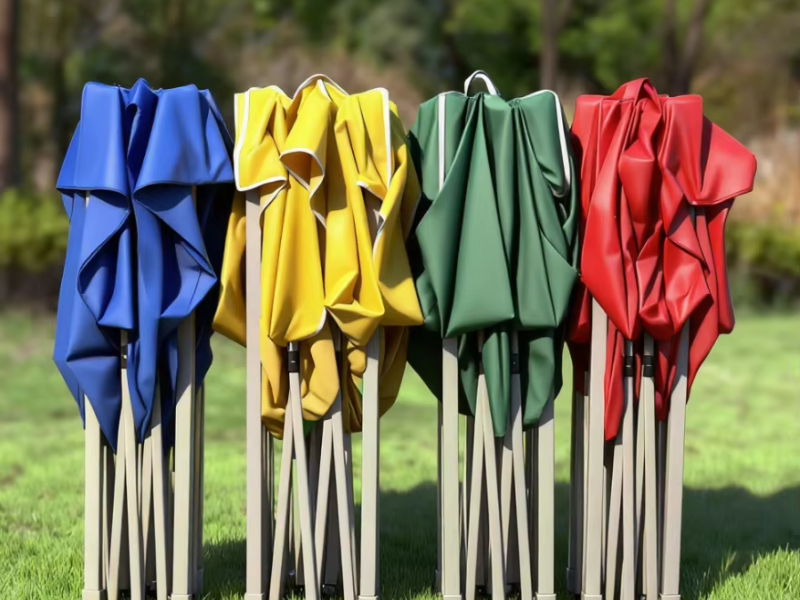
Building a Care Routine: Make Cleaning a Habit
Dirt, pollen, bird droppings, and organic debris aren't just unsightly; they accelerate fabric rot and frame corrosion. Make it a habit to clean your canopy after every major use or several times per season.
Gentle Fabric Care
Avoid harsh detergents or abrasive tools. Instead, use a soft sponge with a solution of mild dish soap and lukewarm water. Clean the fabric while it is fully extended and taut. Rinse thoroughly to remove all soap residue, as it can attract more dirt. Crucially, allow the canopy to dry completely before folding it away to prevent mildew growth.
Frame and Hardware Attention
Once the fabric is dry, wipe down all poles, joints, and hardware with a dry cloth to remove dust and moisture. For steel frames, periodically check for rust around joints and connection points. Applying a silicone-based lubricant to locking mechanisms and pivot points once or twice a year will keep operation smooth and prevent corrosion.
Mastering Storage: The Key to Preventing Damage
Improper storage is a leading cause of premature wear for any folding canopy. The goal is to find a cool, dry, and clean environment.
The Golden Rule: Ensure Complete Dryness
Never pack away a canopy that is damp from rain or dew. Trapped moisture causes stains and leads to the degradation of both fabric and metal. If you must pack it up wet, make air-drying it completely your very next priority.
Choosing the Ideal Storage Location
Store your canopy in its carry bag in a climate-controlled space like a garage, shed, or basement. Avoid attics or storage units with extreme temperature swings, as excessive heat can weaken fabrics over time. Ensure the area is free from pests and sharp objects that could puncture the bag. Before long-term winter storage, confirm the canopy is perfectly clean and bone-dry.
Proper Folding Technique
Always follow the manufacturer's instructions for collapsing the frame. Forcing components or using incorrect methods can bend the frame and put undue stress on fabric connections. Taking care to fold it neatly helps avoid creating permanent creases and stress points in the material.
Proactive Inspection and Timely Repairs
A few minutes of inspection before and after use can help you catch minor issues before they become major problems.
Inspecting and Repairing the Fabric
Lay the canopy out flat to inspect the fabric. Look for signs of wear like small tears, thinning areas, or separated stitching. Repair minor tears promptly with high-quality vinyl or outdoor fabric repair tape, applying it to both sides for a strong, waterproof seal. Address loose stitching immediately to prevent a seam from unraveling completely. Quality canopies from reputable manufacturers often feature reinforced stitching at key stress points for added durability.
Checking the Frame and Hardware
Inspect the entire frame for structural integrity. Look for bends or cracks in the poles, especially at the joints. Ensure all locking pins, buttons, and spring-loaded mechanisms function correctly. Tighten any loose screws or bolts. Also, examine the carry bag for rips, as a damaged bag won't protect the canopy during transport and storage.
Material-Specific Maintenance Tips
The best care practices can depend on your canopy's specific materials, highlighting the importance of sourcing from a knowledgeable manufacturer.
Maintaining Waterproof Coatings
Many canopy fabrics have a durable water-repellent (DWR) or polyurethane coating. This coating can wear down over time with cleaning and exposure. If you notice water soaking into the fabric instead of beading on the surface (a sign called "wetting out"), it may be time to reapply a UV-resistant waterproofing spray. Always ensure the fabric is clean before treatment.
Preserving Color and Preventing UV Damage
All fabrics are susceptible to gradual UV degradation. While high-quality, solution-dyed fabrics with UV inhibitors offer superior fade resistance, their protection isn't infinite. Using a fabric protectant spray designed for outdoor use can help prolong vibrant colors. For extended storage, keeping the canopy out of direct sunlight is the best preservation method.
Knowing When to Repair and When to Replace
Even with excellent care, all equipment has a finite service life. Understanding the limits of repair is part of responsible ownership.
Assessing Repairable Damage
Small to medium tears (under a few inches), loose stitching, and minor frame adjustments are typically repairable. Professional awning repair shops can often reinforce and patch canopies, extending their life considerably. If your canopy is a custom-branded unit from a trusted supplier, repair is usually a worthwhile investment.
Recognizing End-of-Life Signs
It may be more economical and safer to replace your canopy if you observe: widespread, brittle fabric that cracks easily; large, torn sections or multiple failed seams; a frame that is extensively rusted or has several bent/broken poles compromising stability; or significant fading that affects your professional appearance at events. Safety must be the priority—a compromised structure can fail in wind, posing a serious risk.
How Initial Quality Simplifies Maintenance
A well-made folding canopy is inherently easier to maintain. Products from manufacturers with decades of experience, who employ strict quality control and select durable, fit-for-purpose materials, are designed to withstand the rigors of use. Features like double-stitched seams, reinforced corners, rust-resistant frames, and robust fabric coatings aren't just marketing points; they are design elements that reduce failure points and make your maintenance routine more effective and rewarding. Starting with a product built to a promise of durability makes preserving its long-term value a straightforward process.
Conclusion: Treat Maintenance as a Valuable Investment
Your folding canopy is a valuable asset. A consistent, thoughtful maintenance routine is a small investment of time that delivers substantial returns. It ensures reliable performance at every event, safeguards the people using it, and postpones the major expense of replacement. By committing to regular care—cleaning gently, storing dry, inspecting proactively, and repairing promptly—you become an active partner in preserving the value engineered into your equipment. This commitment is what truly unlocks the long-term value and dependable service a high-quality folding canopy is designed to provide.