
 EN

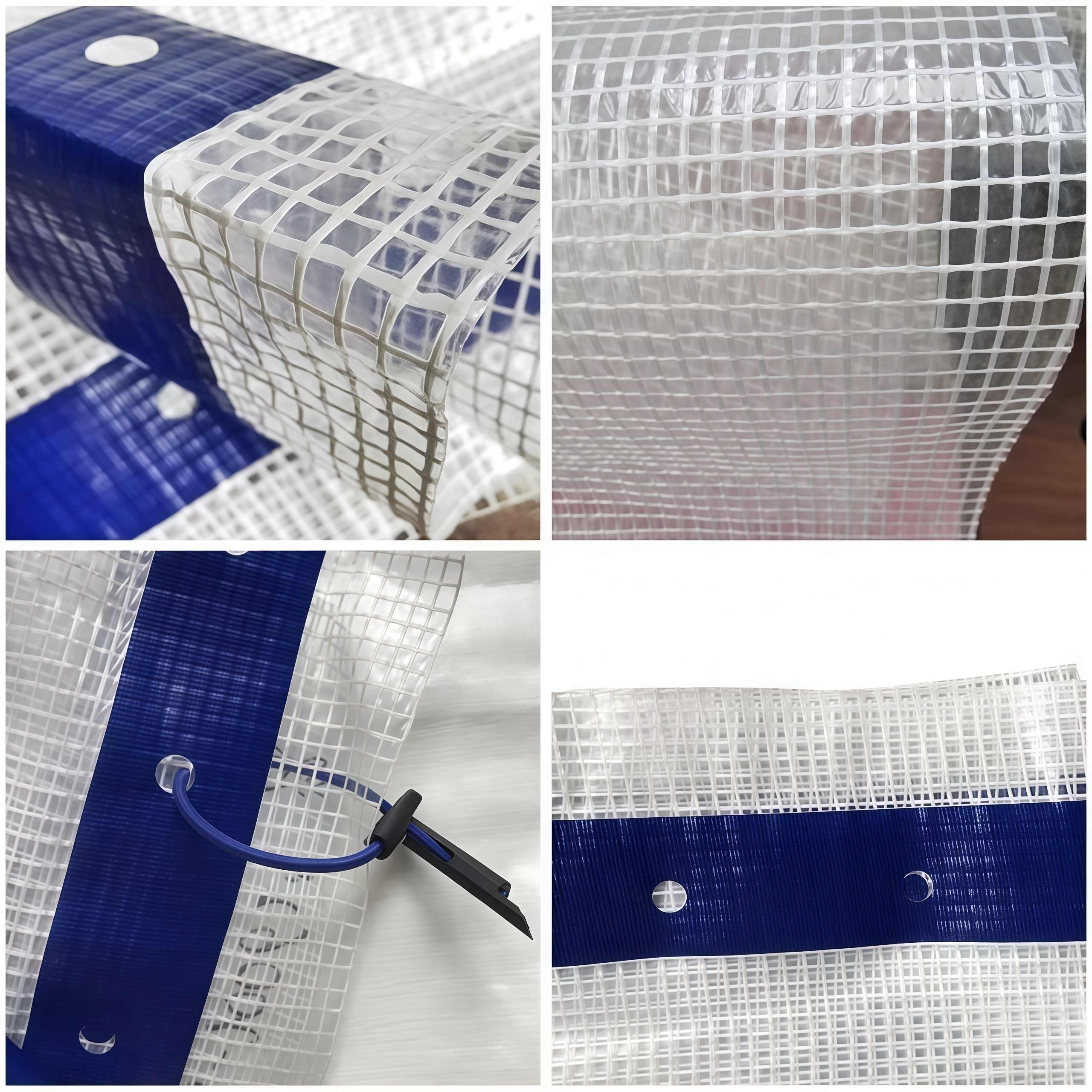
A torn panel on day three costs more than the roll itself. Scaffold sheeting that rips at the grommets, or goes brittle after the first week of sun, turns a containment job into a re-order and a safety write-up. This guide walks buyers through the specs that separate film that lasts from film that fails, so the next roll you buy actually finishes the project. Specifying the right scaffold sheeting up front avoids both rework and risk. Most buyers underestimate how much the right scaffold sheeting matters until a panel fails on a windy shift.
What Scaffold Sheeting Does on a Job Site
Scaffold sheeting wraps the outside of a working scaffold to keep a project moving through bad weather. Crews rely on scaffold sheeting to block wind-driven rain, control dust on demolition jobs, and stop tools or debris from leaving the platform. The same sheet can act as a temporary weather enclosure while a façade is rebuilt. Good scaffold sheeting also gives nearby pedestrians a clean visual barrier, which site managers value on busy streets. Without reliable scaffold sheeting, a single storm can stall finishing work for days, and reliable scaffold sheeting also reduces complaints from adjacent businesses.
Solid Film Versus Open Mesh Netting
Scaffold sheeting in its solid form is a continuous polyethylene sheeting that seals the scaffold against rain and fine dust. Debris netting, by contrast, is an open mesh that lets air pass while catching falling objects. Choose solid scaffold sheeting when weather and dust control matter most, and choose netting when airflow and lighter wind load come first. Many contractors keep both on the truck, because scaffold sheeting and netting solve different problems on the same build. A roll of scaffold sheeting that is clear or white also lets natural light reach the work platform below. Some crews call this material scaffold wrap, but the film and the job stay the same.
The Specs That Decide How Long It Lasts
GSM and mil thickness set the baseline for any scaffold sheeting you buy. GSM, or grams per square metre, tells you how much material sits in each square metre of sheet, and heavier GSM resists punctures from sharp edges. Mil thickness measures film gauge in thousandths of an inch and tracks closely with tear resistance. Ask suppliers for both numbers, because a roll that lists only one leaves you guessing. Your scaffold sheeting should state GSM and mil clearly on the spec sheet before you compare prices. Treat the spec sheet for your scaffold sheeting as a contract, not a suggestion.
Scrim reinforcement is the feature that stops a small tear from becoming a full-panel failure. A woven poly mesh is laminated between two film layers, so a puncture in quality scaffold sheeting stops at the scrim instead of running to the edge. Reinforced scaffold sheeting survives scaffold moves and tight tie-downs far better than a single-ply sheet. Look for a visible grid pattern on the roll as a quick check that the scaffold sheeting you received matches the reinforced grade you ordered. Every reputable scaffold wrap supplier offers a scrim option for this reason, and buyers who skip it usually regret the choice after the first storm.
UV stabilization keeps the film from embrittling under sunlight. Polyethylene breaks down unless a UV package is added during manufacturing, and scaffold sheeting without it chalks and cracks within weeks. A well-stabilized roll of scaffold sheeting can hold serviceable strength through a full season on a sunny site. Cheap scaffold sheeting often skips the UV step to cut cost, which is why two rolls at the same price can age so differently. Expect roughly one to three seasons depending on UV load and climate, and verify the rated exposure with the manufacturer before you commit to a large order.
Grommets and hems decide how the sheet stays put on the frame. Rust-resistant eyelets spaced along reinforced edges let crews tie scaffold sheeting with zip ties, bungee cord, or tie wire. A welded or stitched hem with an internal rope carries the pull load so the film itself does not tear out. When you order scaffold sheeting, confirm grommet spacing and hem construction, because these details determine whether installation takes minutes or becomes a daily repair call. Quality scaffold sheeting ships with reinforced corners that resist pull-out at the most stressed points.
Matching Scaffold Sheeting to the Application
A light demolition screen needs different film than a winter weather enclosure does. For dust and light debris, a mid-weight scaffold sheeting around 120 to 170 GSM is usually enough to do the job. For full wind and rain enclosure on a tall build, step up to a heavier reinforced grade and plan for the extra wind load it creates. Scaffold sheeting used as hoarding on a public sidewalk should be opaque and, where local rules require, flame-retardant. Match the grade of your scaffold sheeting to the worst week you expect, not the mildest day on the forecast. Talk to your supplier about the exact scaffold sheeting grade for your climate before you place the order. A heavy scaffold wrap grade is the right call for tall exposed builds near the coast. A proper weather enclosure also cuts heat loss for crews working below the platform, which keeps a winter build on schedule.
Fire Safety and Wind Load You Cannot Ignore
Solid scaffold sheeting acts like a sail once it is hung. A fully wrapped scaffold catches wind and can overload the structure if the design did not account for that load. Installers should follow the scaffold design and local access rules, such as OSHA 29 CFR 1926.451 in the United States or EN 12811-1 in Europe, and should never wrap a bay without confirming the load path first. Where the enclosure sits against an occupied building or a public route, a flame-retardant grade of scaffold sheeting tested to a recognized method such as NFPA 701 may be required, so confirm the rating with your supplier before purchase. Never assume generic scaffold sheeting meets local fire rules without a written certificate.
Sourcing Mistakes Importers Should Avoid
Buying on price per roll alone hides the true cost of scaffold sheeting. A thin, unstabilized sheet might save a few cents per square metre but fail mid-job and trigger replacement labour that dwarfs the saving. Importers also misspecify grommet spacing and then find the scaffold sheeting will not line up with their standard scaffold bays. The reliable move is to request a physical sample, check GSM and grommet pitch against your own tape, and confirm UV and flame ratings in writing. Scaffold sheeting sourced this way protects both the job and your reputation with the client. A clear polyethylene sheeting lets light through better than an opaque alternative for indoor platforms.
Quick Comparison
|
Need |
Light film |
Reinforced scaffold sheeting |
Open debris netting |
|
Dust control |
Fair |
Excellent |
Poor |
|
Rain enclosure |
Good |
Excellent |
None |
|
Wind load |
Low |
High |
Low |
|
Typical GSM |
80–120 |
120–200 |
60–100 |
Frequently Asked Questions
Is scaffold sheeting the same as debris netting? No. Scaffold sheeting is a solid polyethylene sheeting that blocks weather and dust, while debris netting is an open mesh built to catch falling objects. Choose based on whether you need containment or catch protection on site.
What GSM should I specify for scaffold sheeting? For most enclosure work, 120 to 170 GSM reinforced film is a safe starting point. Heavier sites or long exposures call for 180 to 200 GSM. Confirm the exact number with your supplier before you buy.
How long does UV-stabilized scaffold sheeting last outside? Expect roughly one to three seasons in open sun, depending on climate and the UV package used. The manufacturer should state the rated exposure, and you should treat any unstated claim as unverified.
Do I need flame-retardant scaffold sheeting? On occupied buildings, public routes, or where local codes require it, yes. Ask for a grade tested to a named standard such as NFPA 701 and keep the certificate on file for inspectors.
Can I reuse scaffold sheeting between jobs? Reinforced grades with good hems and grommets often survive several moves if handled with care. Inspect every eyelet and seam before re-hanging, and retire any sheet with a running tear.
Conclusion
Choosing scaffold sheeting is a spec decision, not a price-line decision. Weigh GSM, scrim reinforcement, UV rating, and grommet layout against the worst conditions your site will see, then confirm fire and wind requirements before you wrap the first bay. The right scaffold sheeting pays for itself in avoided rework, and our team can match the correct grade to your job.
Table of Contents
- What Scaffold Sheeting Does on a Job Site
- Solid Film Versus Open Mesh Netting
- The Specs That Decide How Long It Lasts
- Matching Scaffold Sheeting to the Application
- Fire Safety and Wind Load You Cannot Ignore
- Sourcing Mistakes Importers Should Avoid
- Quick Comparison
- Frequently Asked Questions
- Conclusion